Powder Coating vs. Paint for Outdoor Metalwork: Which Is Better?
When you invest in custom outdoor metalwork, the finish matters just as much as the metal underneath it. Railings, gates, stairs, fences, and other exterior metal features are exposed to rain, sunlight, temperature fluctuations, moisture, and everyday wear.
Two common ways to finish outdoor metalwork are powder coating and traditional paint. Both can protect metal and give you the color and appearance you want, but they perform differently.
So, which is better for your custom metal fabrication project? The answer depends on where the metal will be installed, how it will be used, the look you want, and how much maintenance you want to perform over time.
What Is Powder Coating?
Powder coating uses a dry finishing material rather than liquid paint. The powder is applied to the prepared metal surface and then cured with heat, creating a hard, even finish.
For custom metalwork, powder coating is popular because it combines appearance with durability. Once properly applied and cured, the coating creates a protective barrier between the metal and the surrounding environment.
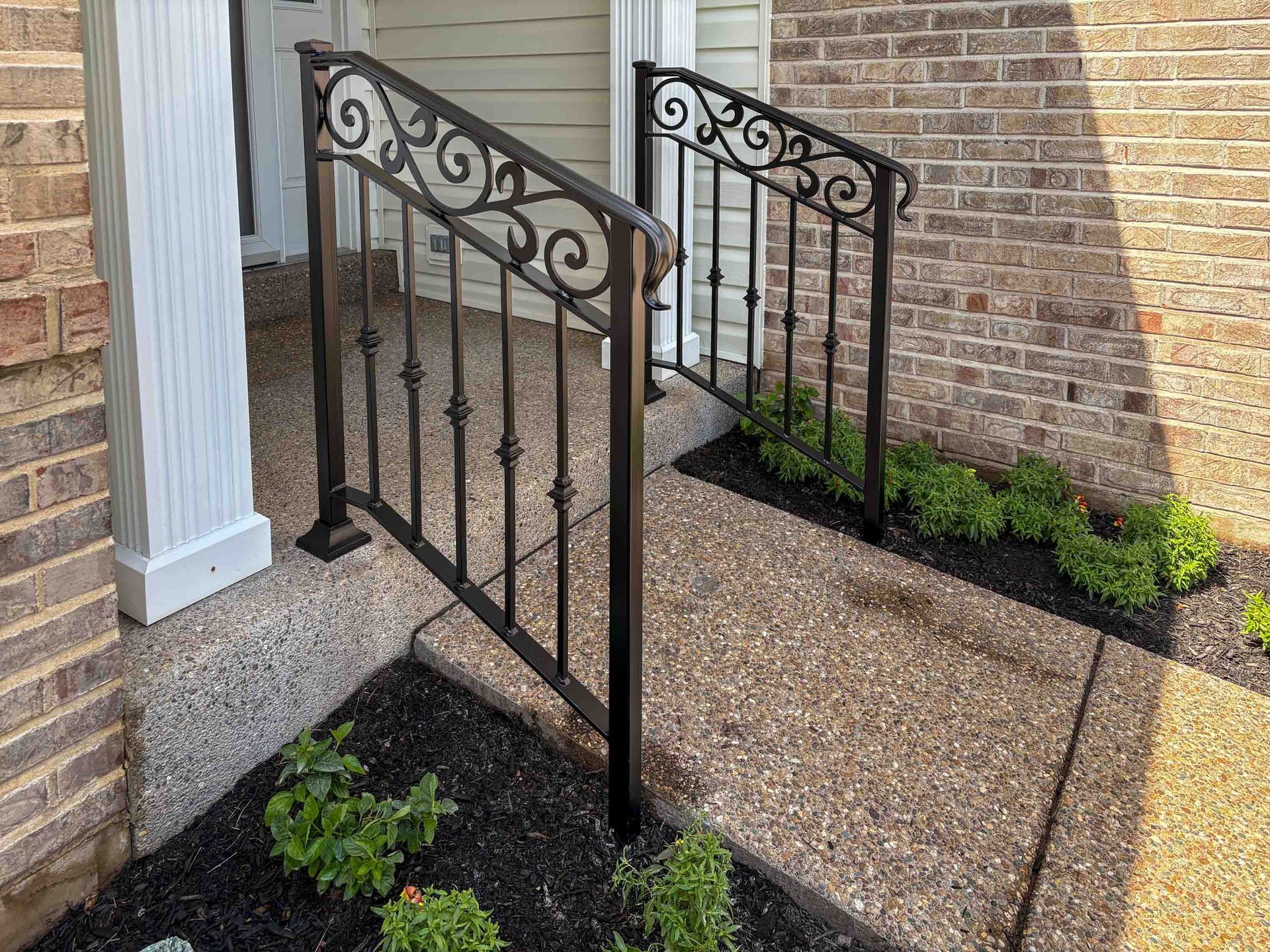
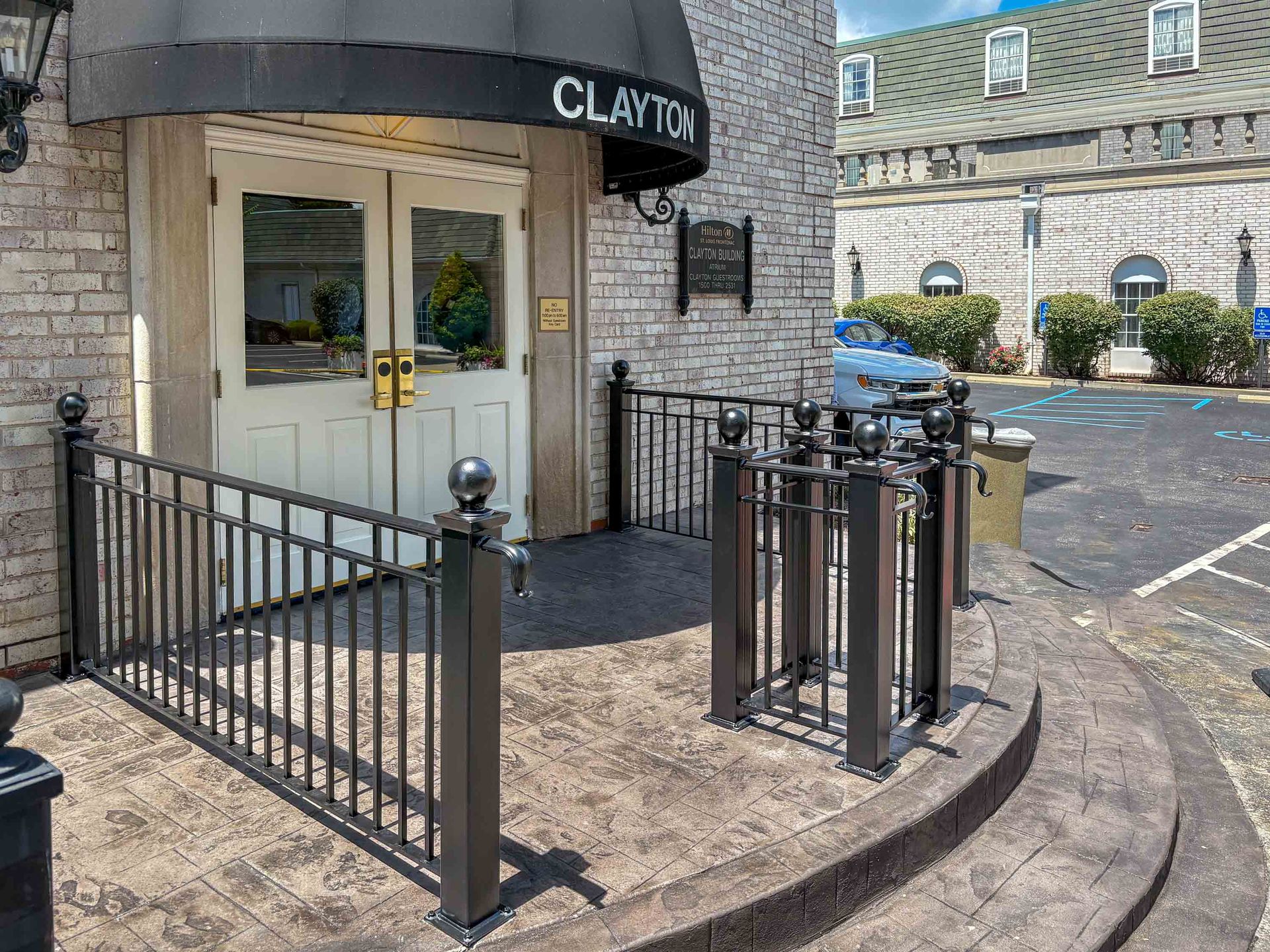
Powder coating is commonly used on outdoor metal features such as:
- Railings
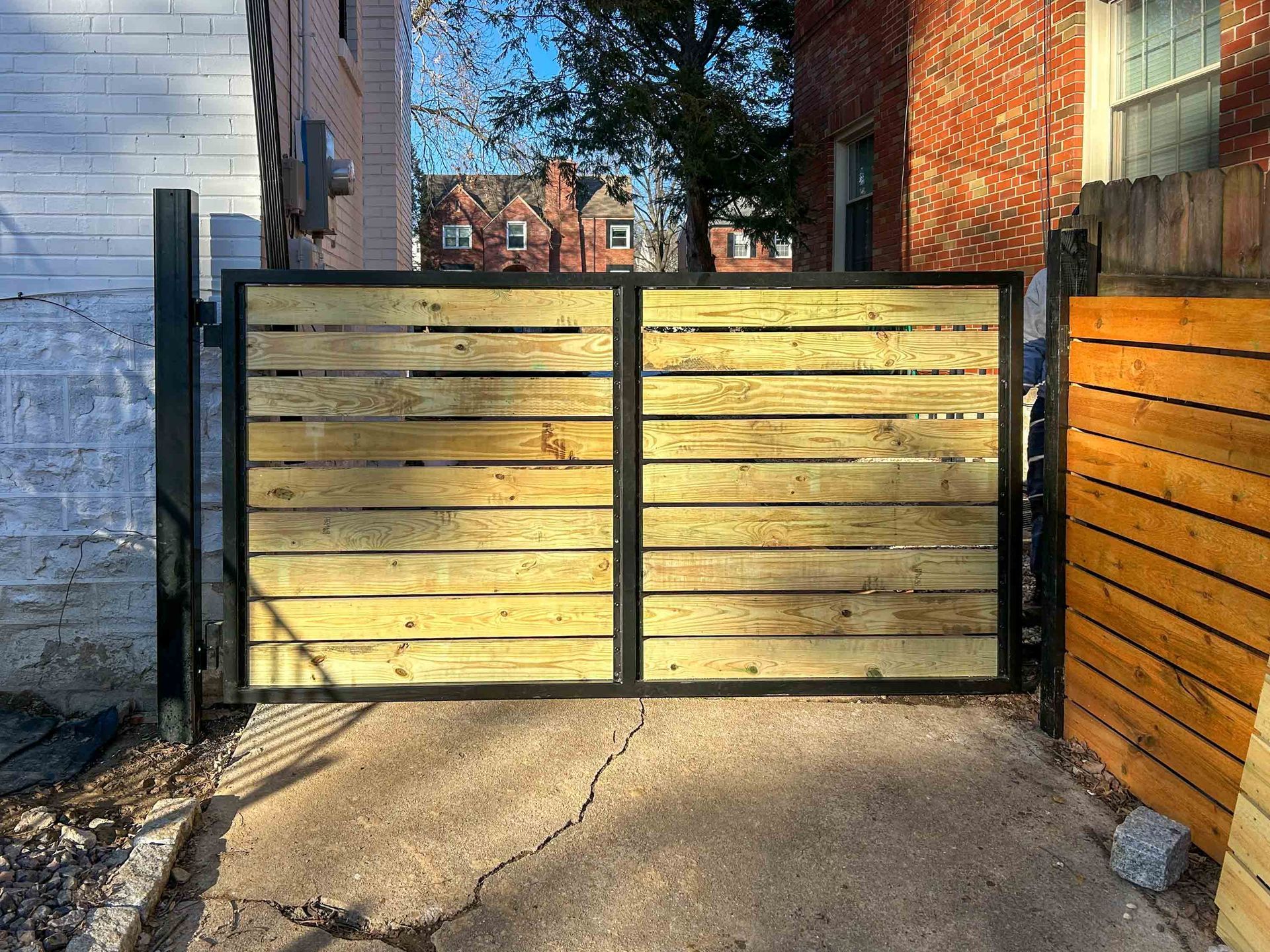
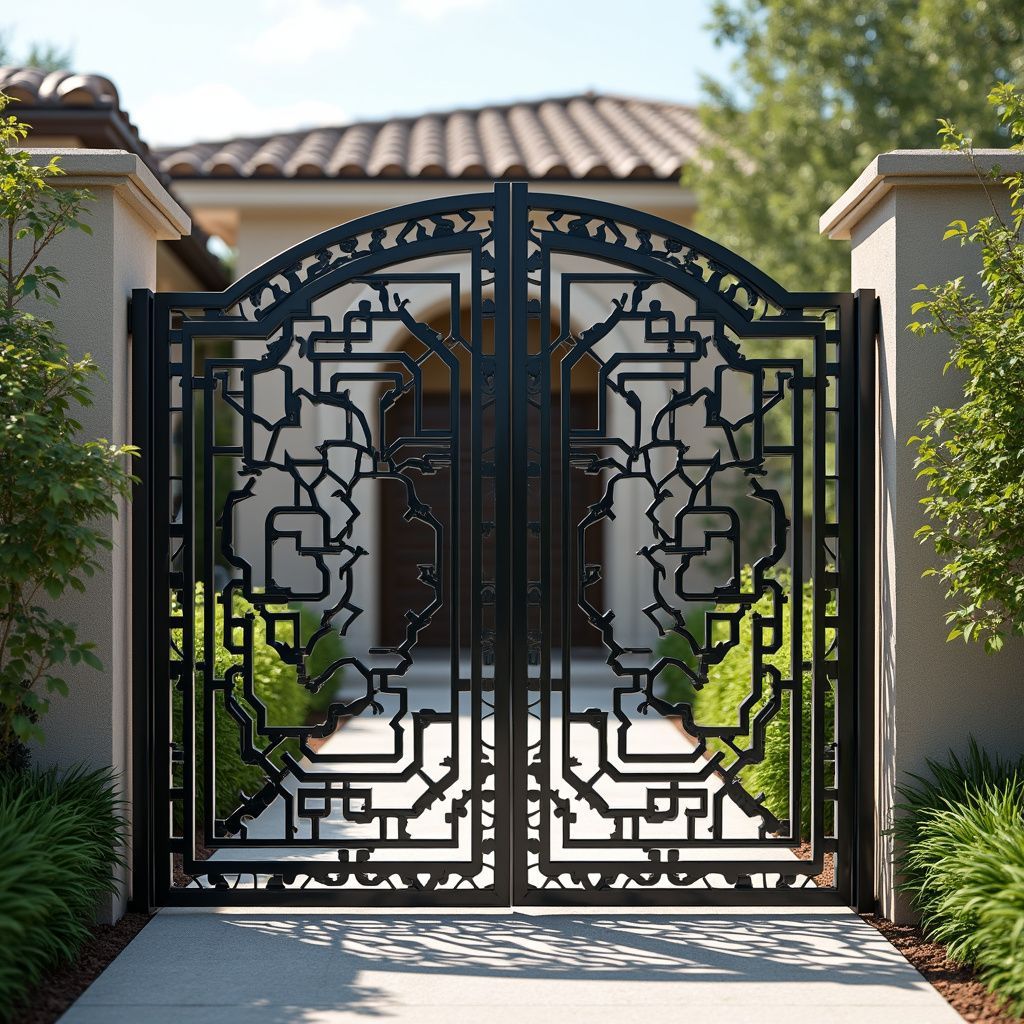
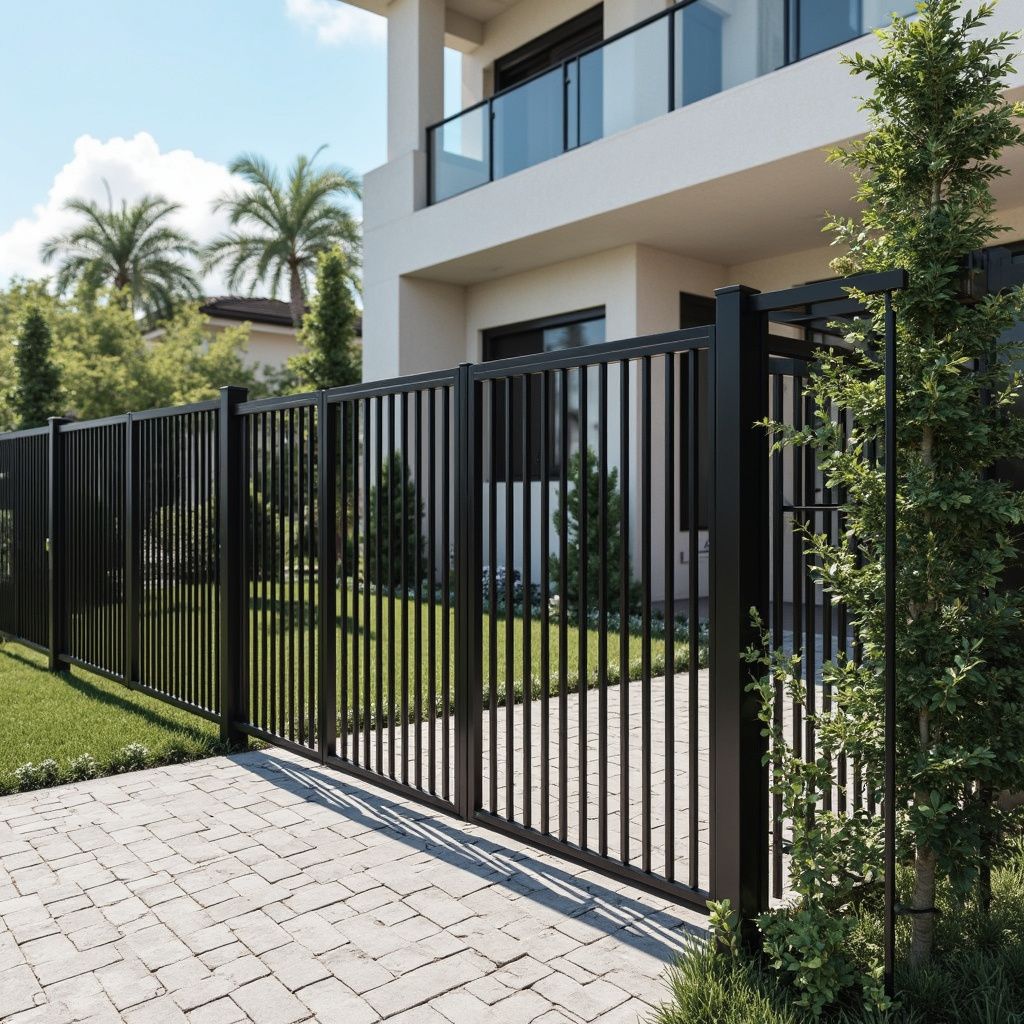
- Gates
- Fencing
- Stair components
- Architectural metalwork
- Outdoor furniture
- Decorative metal features
You can also choose from a wide range of colors and finishes, allowing the coating to become part of the overall design.
What Are the Advantages of Powder Coating?
One of the biggest advantages of powder coating is durability.
Outdoor metalwork can take a beating. A railing may be touched every day. Gates open and close repeatedly. Exterior stairs see foot traffic while also dealing with changing weather conditions.
A high-quality powder-coated finish can provide strong resistance to everyday wear while helping protect the underlying metal from moisture and corrosion.
Powder coating also creates a consistent appearance. Because the coating is applied and cured as part of a controlled finishing process, it can produce a smooth, professional look that works especially well on visible architectural features.
For a custom project where appearance and long-term performance both matter, powder coating can be an excellent choice.
What Are the Advantages of Paint?
Paint still has an important place in metal fabrication.
One of its biggest advantages is flexibility. Metal paint is available in many colors and finishes, and painted surfaces can typically be touched up without completely refinishing the entire piece.
That can be particularly useful for metalwork that may be subject to scratches, impacts, or frequent modifications.
Paint also does not require the same curing process as powder coating. This can make it practical for very large fabricated pieces or components that cannot easily be processed in a powder-coating operation.
With proper surface preparation, primer, and a coating system designed for exterior metal, paint can provide both an attractive appearance and protection.
Which Finish Is More Durable Outdoors?
For many exterior applications, powder coating offers an advantage when durability and low maintenance are priorities.
Because the finish is cured onto the surface, it can withstand regular use and environmental exposure. This makes it an attractive option for railings, gates, and other metal features that people frequently touch or use.
That does not mean powder coating is damage-proof.
Deep scratches, chips, or other damage that exposes the underlying metal can allow moisture to reach the surface. If damage occurs, it should be addressed rather than assuming the original coating will continue to protect the exposed area.
Painted metal also requires monitoring. Peeling, cracking, fading, and scratches can eventually expose the metal underneath.
Either finish performs best when you maintain it and address any damage before corrosion can spread.
How Does Surface Preparation Affect the Finish?
Choosing between powder coating and paint will not make much difference if the metal is not properly prepared.
A high-quality finish begins with a clean surface.
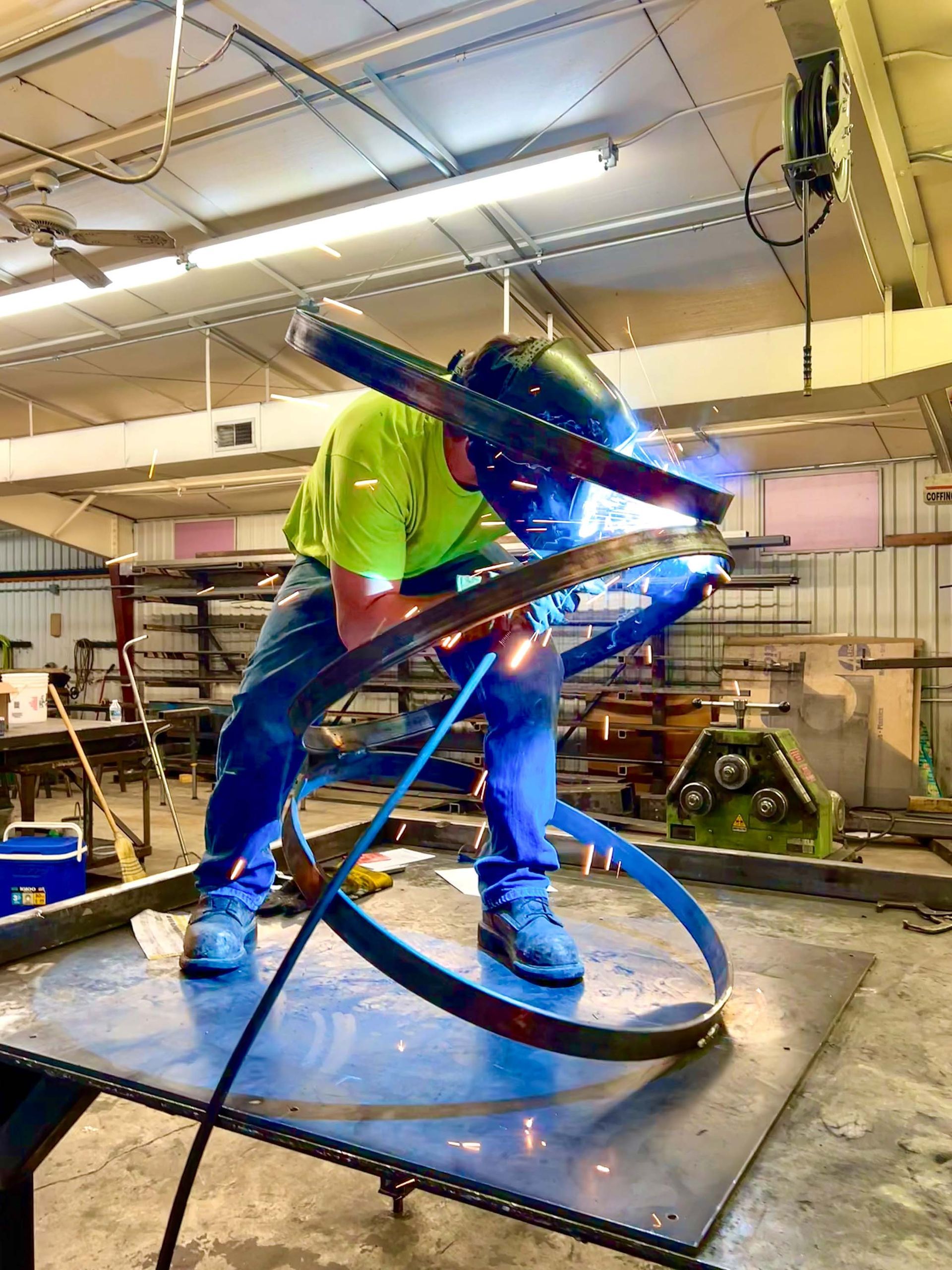
Rust, oil, dirt, mill scale, and other contaminants can interfere with the way a coating bonds to metal. Proper fabrication and finishing processes should account for surface preparation before the final coating is applied.
This is one reason it helps to think about finishing at the beginning of a custom fabrication project rather than waiting until the piece is already built.
The fabricator can consider the material, design, welds, installation environment, and desired appearance together.
Which Option Requires More Maintenance
Both finishes can require maintenance, but paint generally makes small touch-ups easier.
If a painted railing receives a small scratch, you may be able to clean, prepare, and repaint the damaged section. Powder-coated metal can be more difficult to repair seamlessly because the original finish was applied and cured as a complete coating.
On the other hand, a properly applied powder-coated finish may reduce the frequency of routine refinishing.
For either option, periodically inspect outdoor metalwork for:
- Scratches
- Chips
- Peeling or flaking
- Rust
- Damage around joints and connections
- Areas where water regularly collects
Catching small problems early can help prevent a simple surface issue from becoming a larger corrosion problem.
Does Appearance Change the Decision?
Your choice does not have to come down to durability alone.
The finish plays an important role in the completed design.
Powder coating can work particularly well when you want a clean, consistent finish on a custom railing, staircase, gate, or architectural feature. Different colors and textures can complement the surrounding property while allowing the metalwork itself to become part of the design.
Paint can offer plenty of design flexibility and may make sense when you need a specific look or want the ability to change or refresh the color more easily later.
Think about how the finished metalwork will look alongside the building, landscaping, flooring, masonry, wood, and other surrounding materials.
Is Powder Coating Always Better Than Paint?
No. There is not one finish that is right for every custom metal project.
Powder coating may make sense when you want:
- High durability
- A consistent factory-style finish
- Good resistance to regular wear
- Lower routine maintenance
- A finish designed to complement a permanent custom installation
Paint may make more sense when:
- The fabricated piece is too large or impractical to powder coat
- You expect to make future modifications
- Easy field touch-ups are important
- The project requires a particular coating system
- You want greater flexibility when refinishing later
The material itself also matters. Steel, aluminum, stainless steel, and other metals do not all have identical finishing requirements.
Instead of choosing a finish based only on appearance or price, consider the entire application.

Think About Where Your Metalwork Will Be Installed
Outdoor environments can vary dramatically.
A covered residential railing does not experience the same conditions as an exposed gate. A commercial staircase may experience significantly more physical contact than decorative metalwork installed in a low-traffic area.
Before choosing a finish, consider:
- Exposure to rain and moisture
- Direct sunlight
- Temperature changes
- Frequency of use
- Potential impacts and scratches
- Exposure to chemicals or deicing products
- Maintenance expectations
- Desired appearance
The best finish is one that fits how the finished piece will actually be used.
Choose the Right Finish for Your Custom Metalwork
Powder coating and paint can both provide attractive finishes for outdoor metalwork when the metal is properly prepared, and the right coating system is used.
Powder coating is often worth considering when durability, consistent appearance, and reduced routine maintenance are priorities. Paint can provide greater flexibility, especially when easy repairs, future modifications, or field application are important.
Your finish should not be an afterthought. It should be considered alongside the metal, design, fabrication process, installation location, and intended use.
At RC Custom Fabrication, we can help you consider the details of your custom metal project from design through fabrication and installation.
Whether you are planning custom railings, stairs, gates, or another metal feature, choosing the right materials and finishes from the outset can help you achieve a finished product that is both aesthetically pleasing and long-term durable.