Indoor vs. Outdoor Metal Projects: How Environment Changes the Build
At first glance, metalwork may seem simple and universal. After all, steel is steel...right?
When it comes to custom fabrication, where a metal project lives plays a major role in how it's designed, built, finished, and installed.
Indoor and outdoor metal projects face very different conditions, and those differences influence everything from material selection to long-term durability.
Understanding how the environment changes the build helps ensure your finished project looks great, performs safely, and stands the test of time.
Environmental Exposure Makes All the Difference
The most obvious difference between indoor and outdoor metal projects is exposure to the elements.
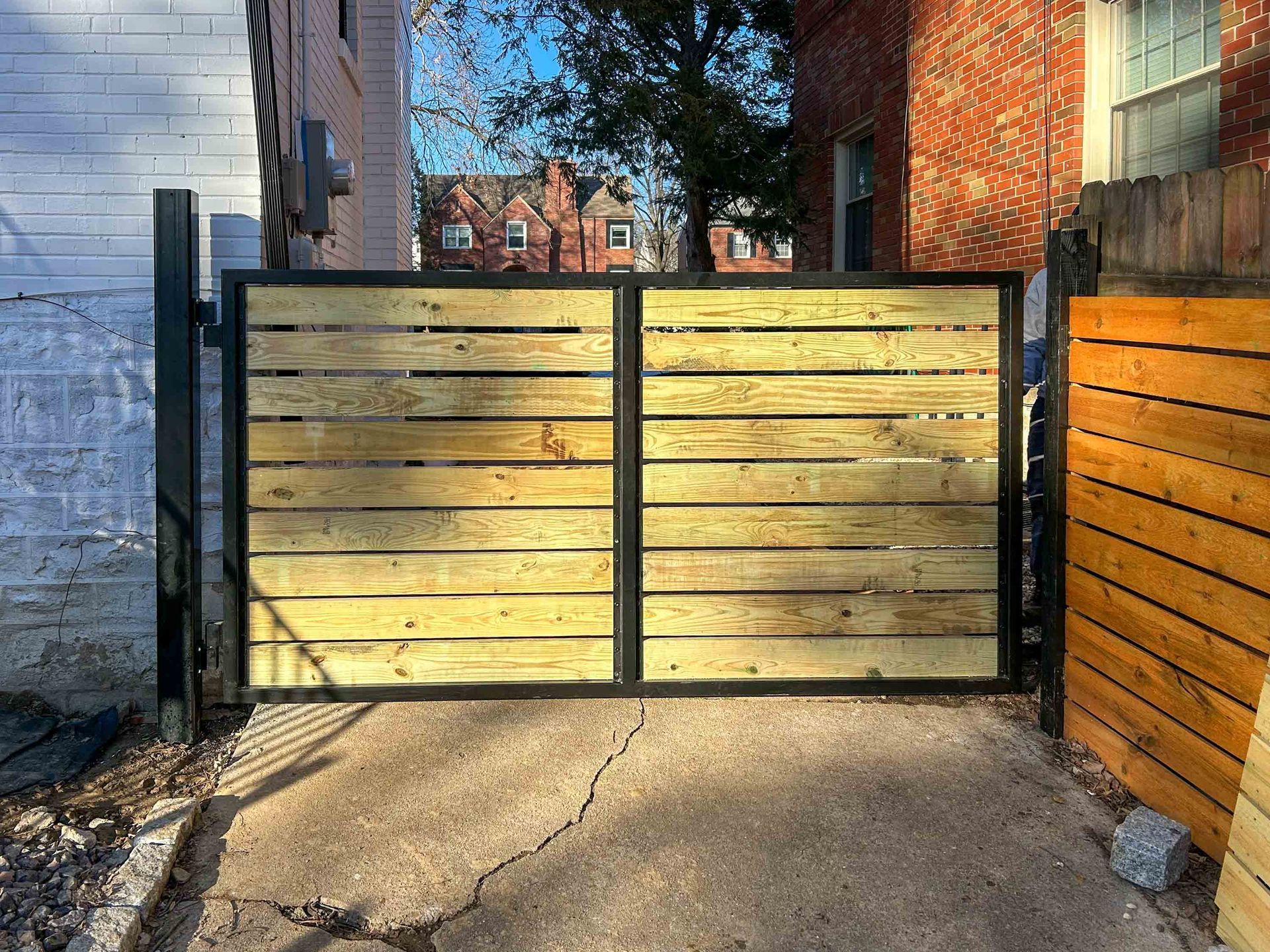
Outdoor metal must withstand weather, moisture, sunlight, and seasonal temperature changes year after year. Rain, snow, humidity, and UV rays all work against unprotected metal.
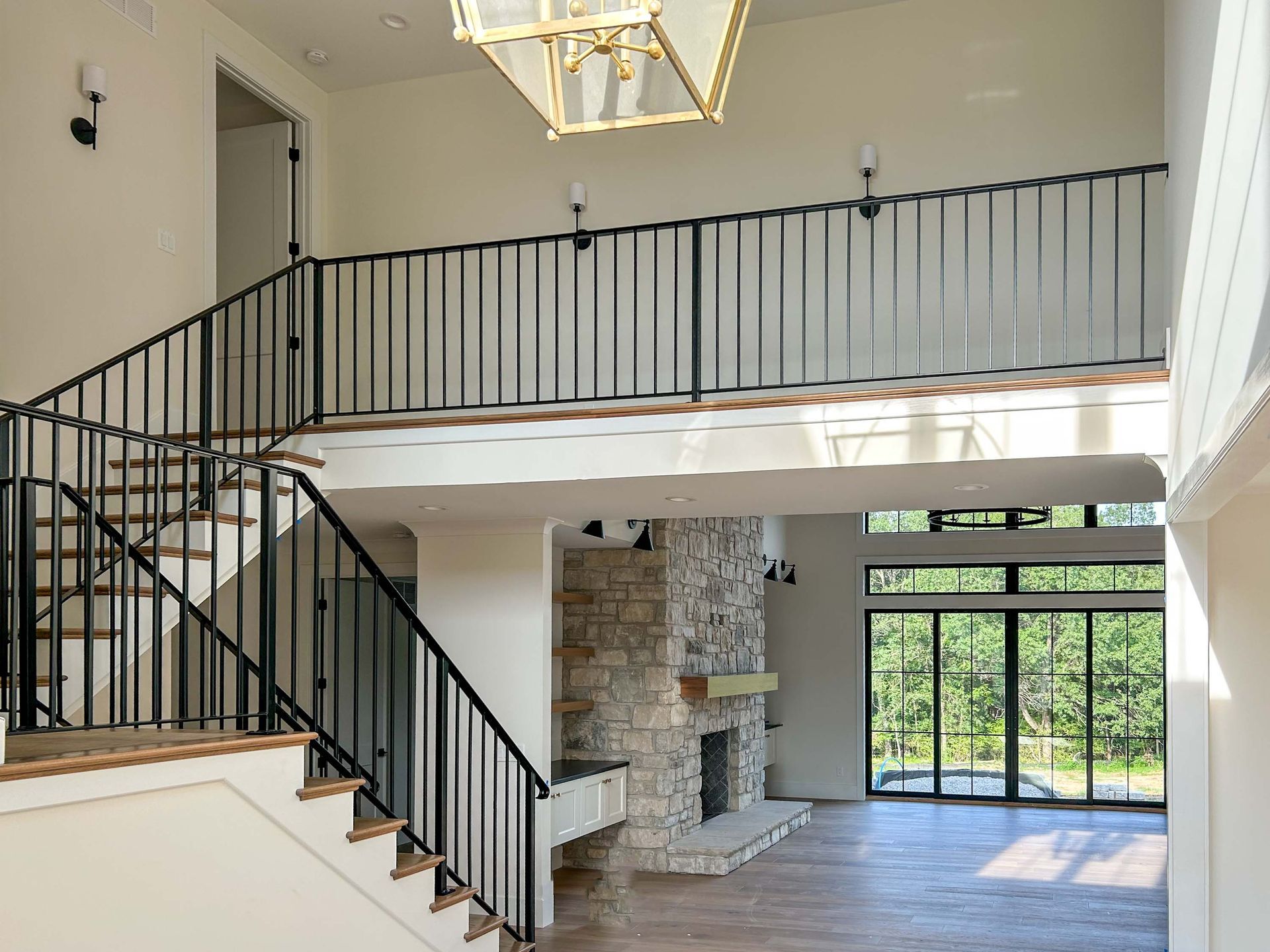
Indoor metal, on the other hand, is protected from the elements but often faces higher expectations for appearance and precision. Because it's more visible and interacted with daily, indoor metalwork must balance strength with clean lines and refined finishes.
Recognizing these environmental realities early in the fabrication process prevents premature wear, unnecessary maintenance, and costly repairs.
Material Selection Depends on Location
Choosing the right metal for the environment is one of the most important steps in any project.
Outdoor installations often require materials that resist corrosion and maintain strength despite constant exposure.
The wrong material choice can lead to rust, weakening, or surface degradation far sooner than expected.
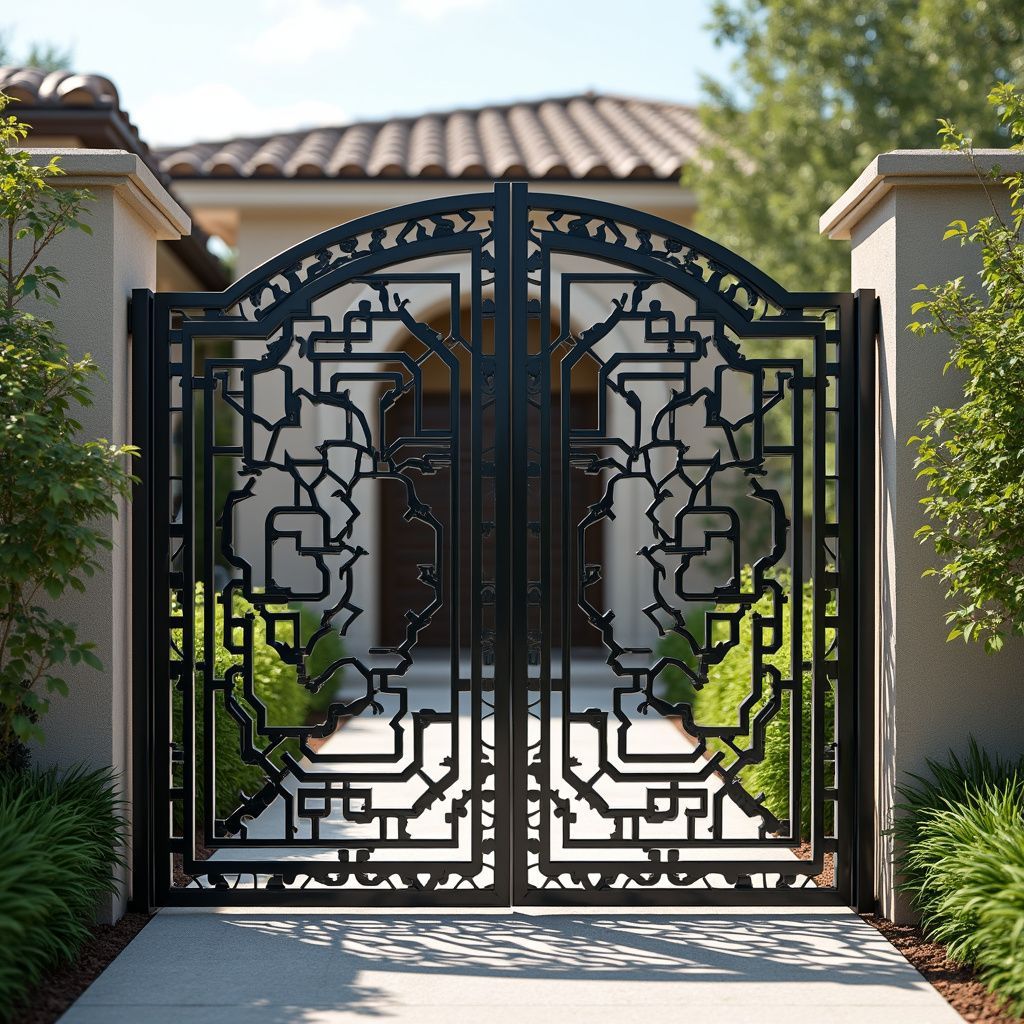
Indoor projects are less exposed to harsh elements, allowing greater flexibility in material selection. Design goals, structural needs, and visual impact often drive decisions more than environmental durability.
That said, strength and safety are still priorities, especially for stairwells, railings, and other load-bearing components.
The key is selecting materials based not just on looks, but on how and where they'll be used.

Finishes and Coatings Protect the Investment
One of the biggest differences between indoor and outdoor metal fabrication is the type of finish applied.
Outdoor metal relies heavily on protective coatings to shield it from moisture, sun exposure, and everyday wear. Proper finishing helps slow corrosion, prevent fading, and extend the life of the metal.
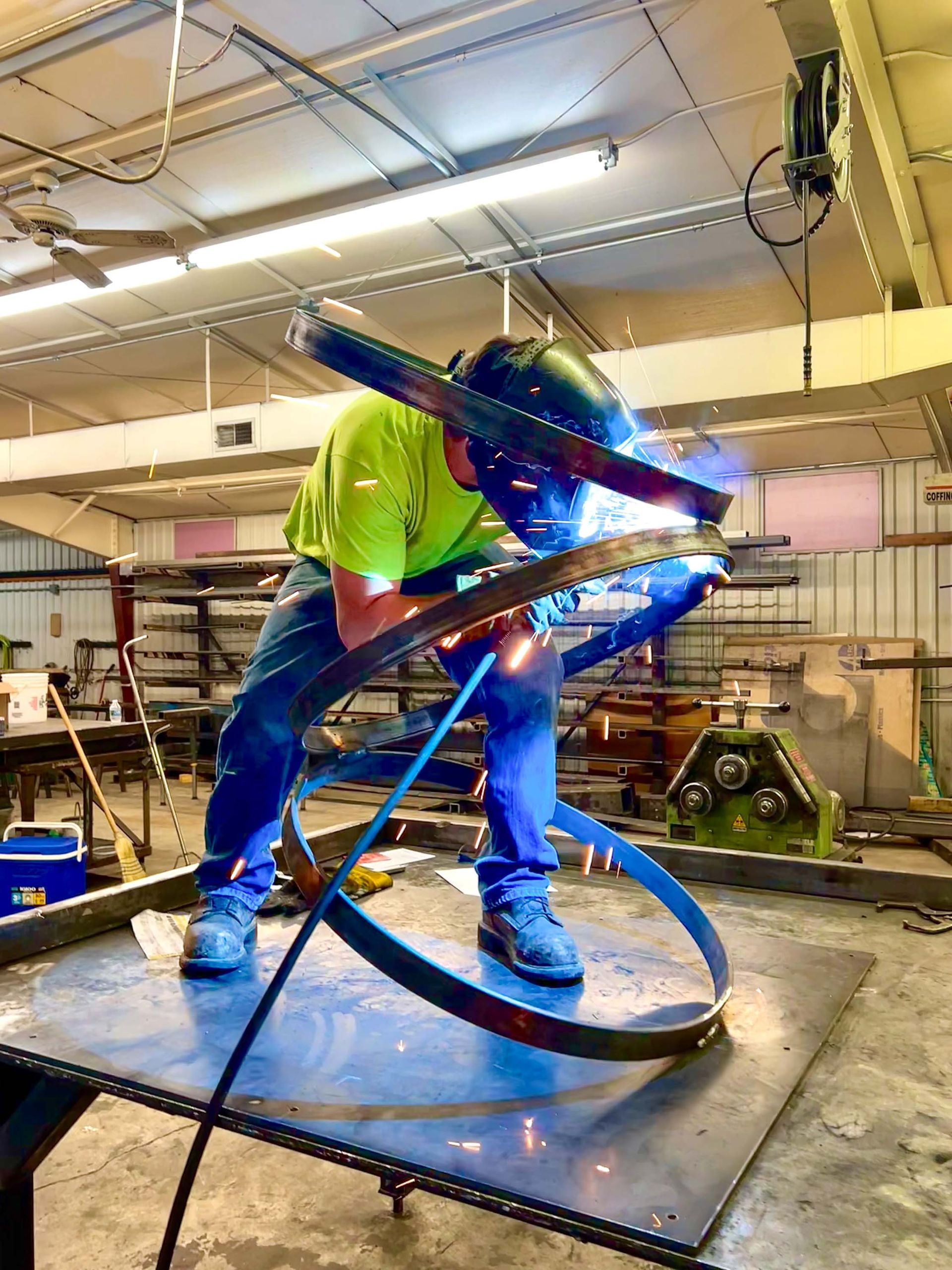
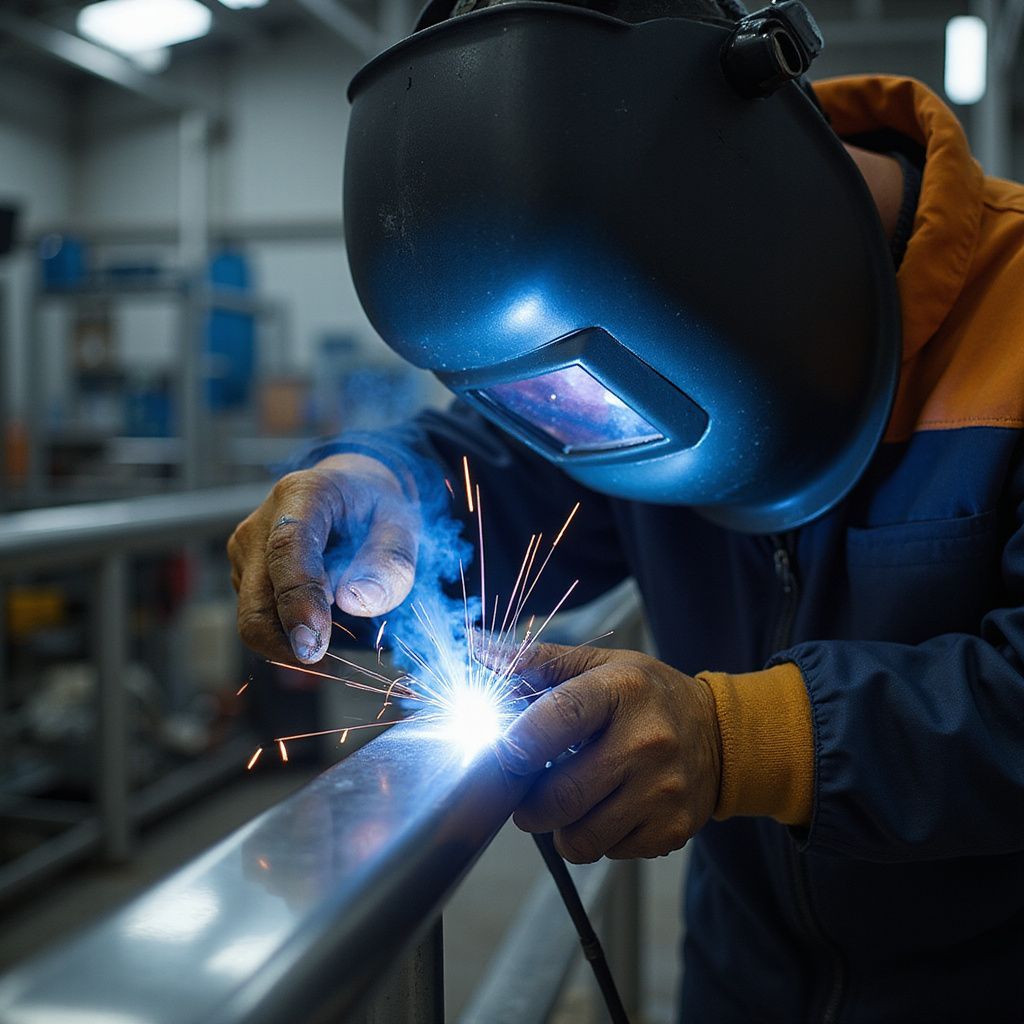
Indoor metal finishes focus more on consistency, smoothness, and aesthetics. Weld blending, surface prep, and attention to detail are especially noticeable indoors, where imperfections can quickly stand out.
Whether the priority is durability or appearance, professional finishing ensures the metal performs as intended long after installation.
Design and Structural Planning Changes by Environment
Outdoor metal often needs to account for natural movement caused by temperature fluctuations. Expansion and contraction, drainage considerations, and long-term exposure all impact how outdoor pieces are fabricated and installed.
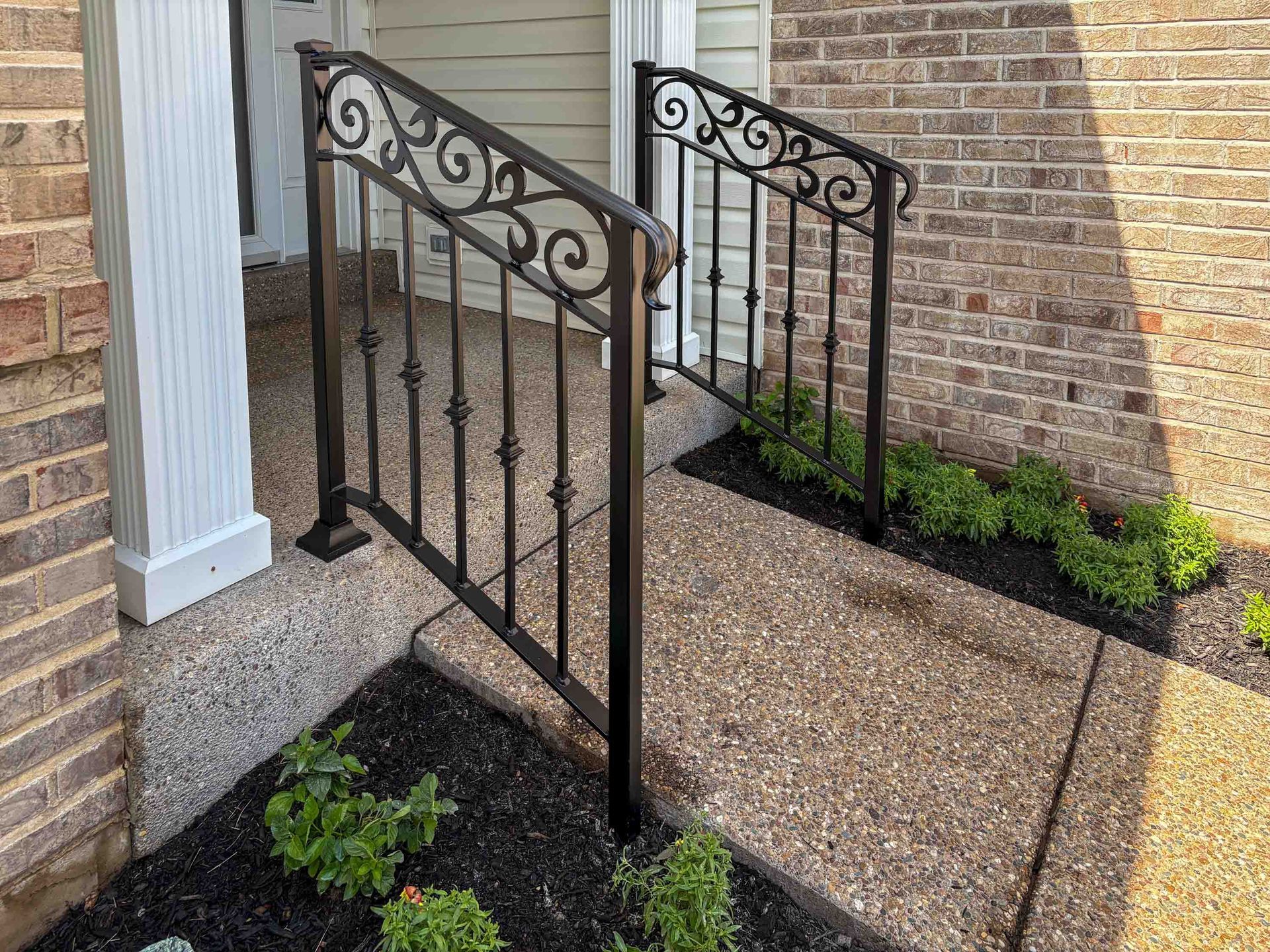
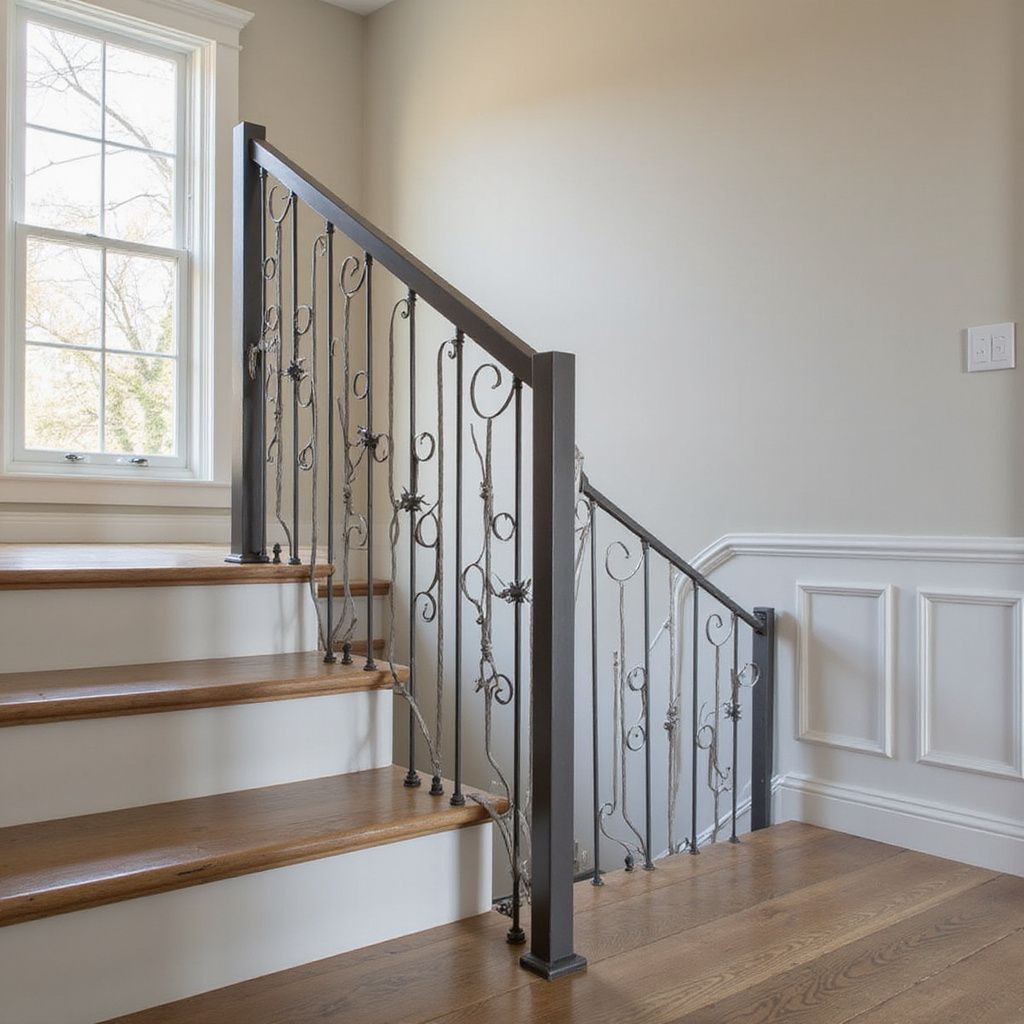
Indoor projects typically require tighter tolerances and more precise alignment. Stair systems, railings, and architectural features need to integrate seamlessly into the surrounding space.
This requires careful planning, accurate measurements, and a strong understanding of how metal interacts with other building materials.
Behind the scenes, these considerations shape everything from joint placement to installation methods.
Safety, Codes, and Usage Expectations
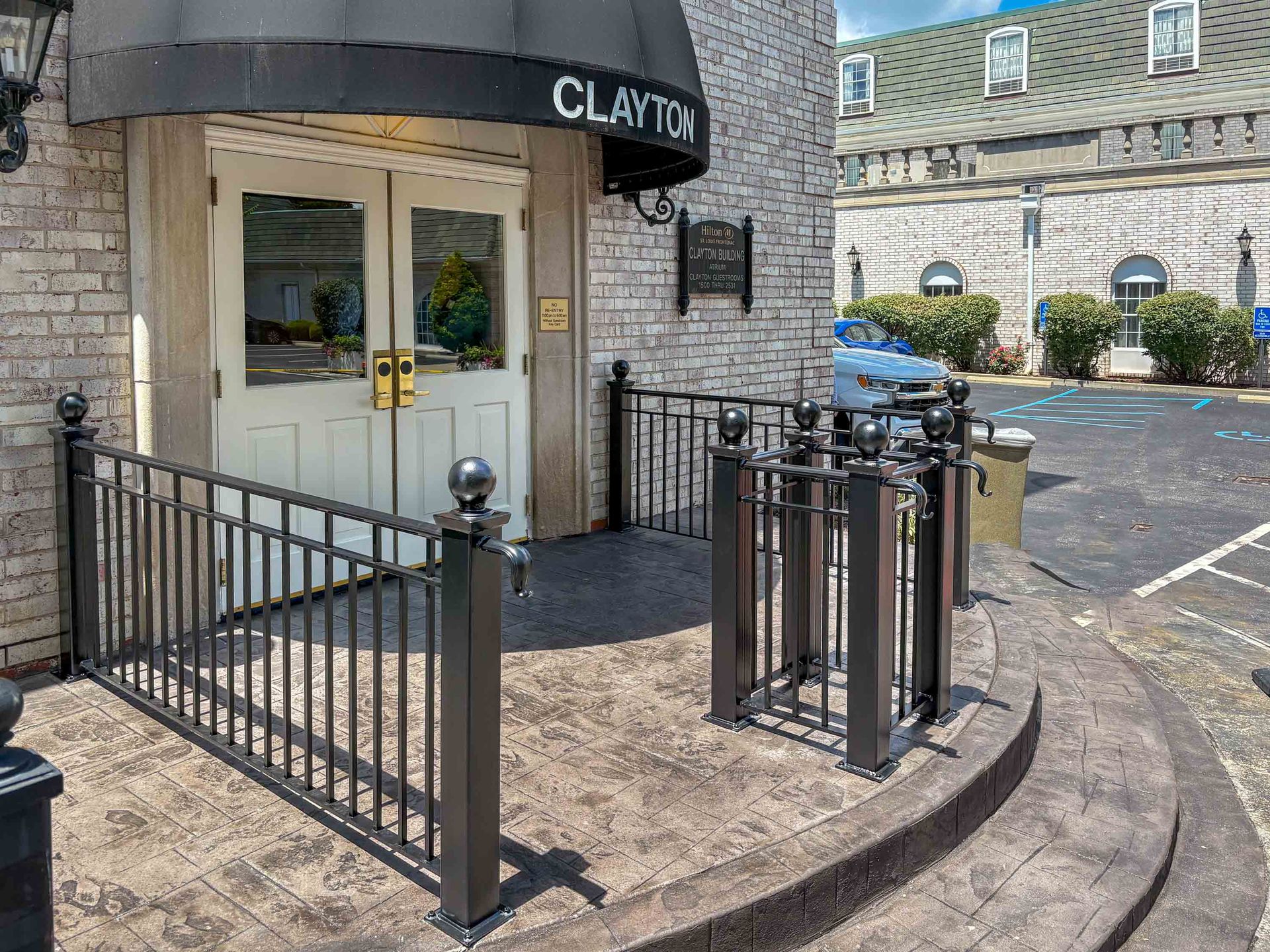
Whether inside or outside, safety is always a priority. Outdoor metal components often experience greater wear from foot traffic, weather, or public access.
Indoor installations often require adherence to strict visual and spacing requirements while still meeting safety codes.
Fabrication professionals take these factors into account to ensure projects meet applicable codes and perform reliably over time, without sacrificing design intent.

Maintenance and Long-Term Performance
Outdoor metal typically requires more attention over its lifespan simply due to environmental exposure.
Choosing the right materials and finishes up front can significantly reduce maintenance needs down the road.
Indoor metalwork, when fabricated and finished properly, can maintain its appearance and functionality for years with minimal upkeep.
Investing in quality fabrication upfront pays off in longevity and peace of mind.
Why Experience Matters in Custom Fabrication
Not all metal is created (or built) the same. Adapting designs and fabrication methods to the environment requires experience and careful planning.
Skilled fabricators understand how conditions affect performance and take steps early in the process to avoid common issues.
By matching the build to the environment, custom metalwork delivers lasting value instead of becoming a future problem.
Matching the Build to the Environment
Indoor and outdoor metal projects may start with similar materials, but they demand very different approaches.
When the environment is accounted for from the beginning, the result is safer, stronger, and better-looking metalwork that stands up to real-world use.
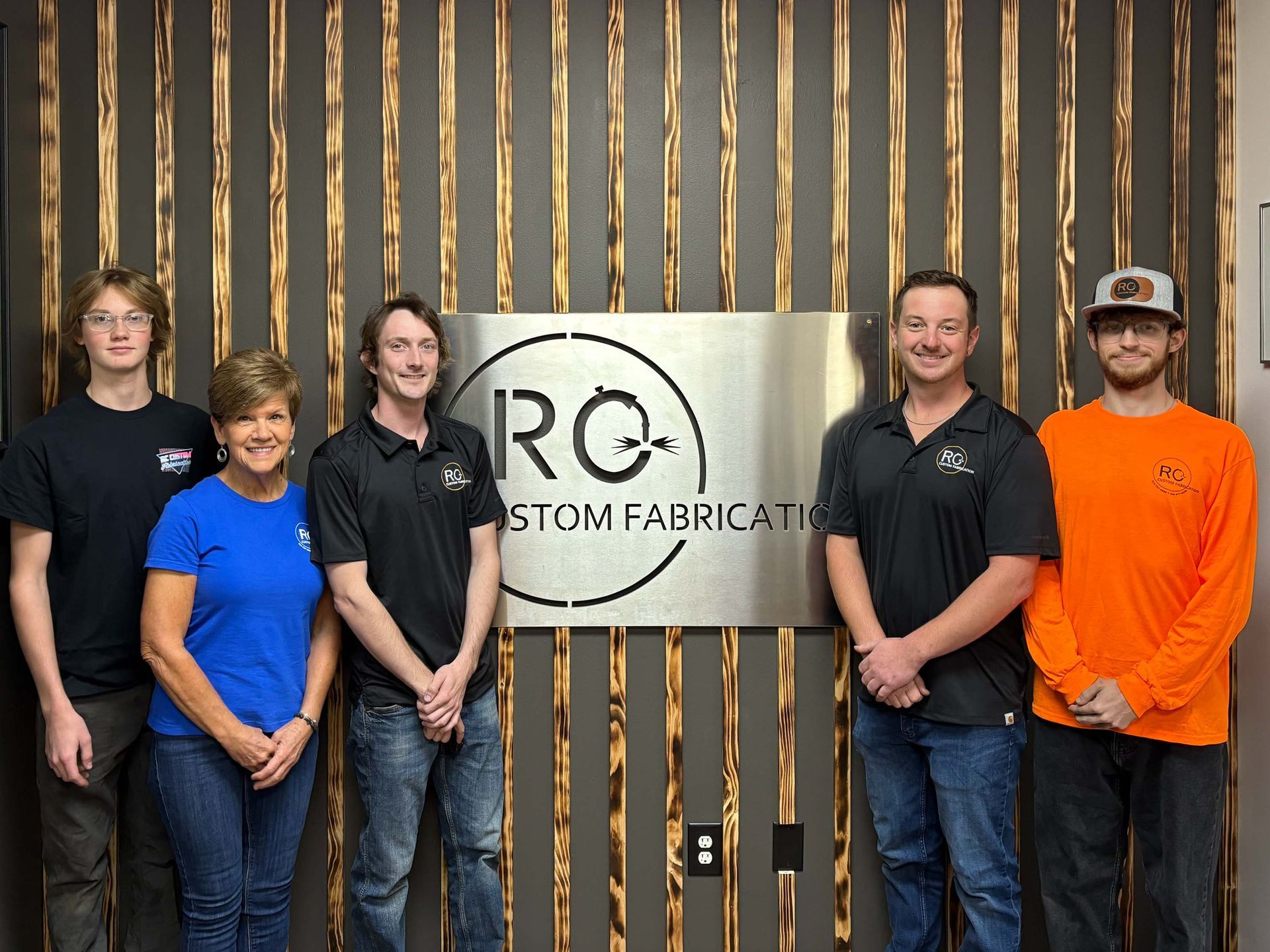
Go Custom with RC Custom Fabrication
For projects that require thoughtful design, precise fabrication, and long-term durability, RC Customization delivers custom metal solutions tailored to where (and how) they'll be used.
Whether you have a clear design in mind or need help developing a solution, our team is ready to bring your vision to life with quality craftsmanship you can trust.
Contact us today to discuss your project, ask questions, or request a quote.