What to Expect When You Start a Custom Metal Fabrication Project
Starting a custom metal fabrication project means more than just building something to spec. It is a process that involves planning, communication, craftsmanship, and coordination from start to finish.
Whether you are a homeowner or a contractor, knowing what to expect before the project begins can help you avoid delays, reduce stress, and achieve a better final result.
Why Understanding the Process Matters
Many fabrication issues do not come from poor materials or workmanship.
They come from unclear expectations early in the project.
When you understand how the process works, you are better prepared to:
- Make informed decisions
- Communicate your goals clearly
- Avoid costly changes or delays later
The more aligned everyone is at the start, the smoother the project will be from design through installation.
Step 1: Initial Consultation and Project Scope
Every custom project starts with a conversation.
This is where you define:
- What needs to be built
- Where it will be installed
- How it will be used
During this phase, a good fabricator will:
- Ask detailed questions about your space and goals
- Review measurements or schedule a site visit
- Identify potential challenges early
This is not just about pricing.
It is about making sure the project is feasible and aligned from the beginning.

Step 2: Design and Planning
Once the scope is clear, the focus shifts to design.
This step may include:
- Reviewing sketches, drawings, or reference photos
- Finalizing dimensions and layout
- Selecting materials and finishes
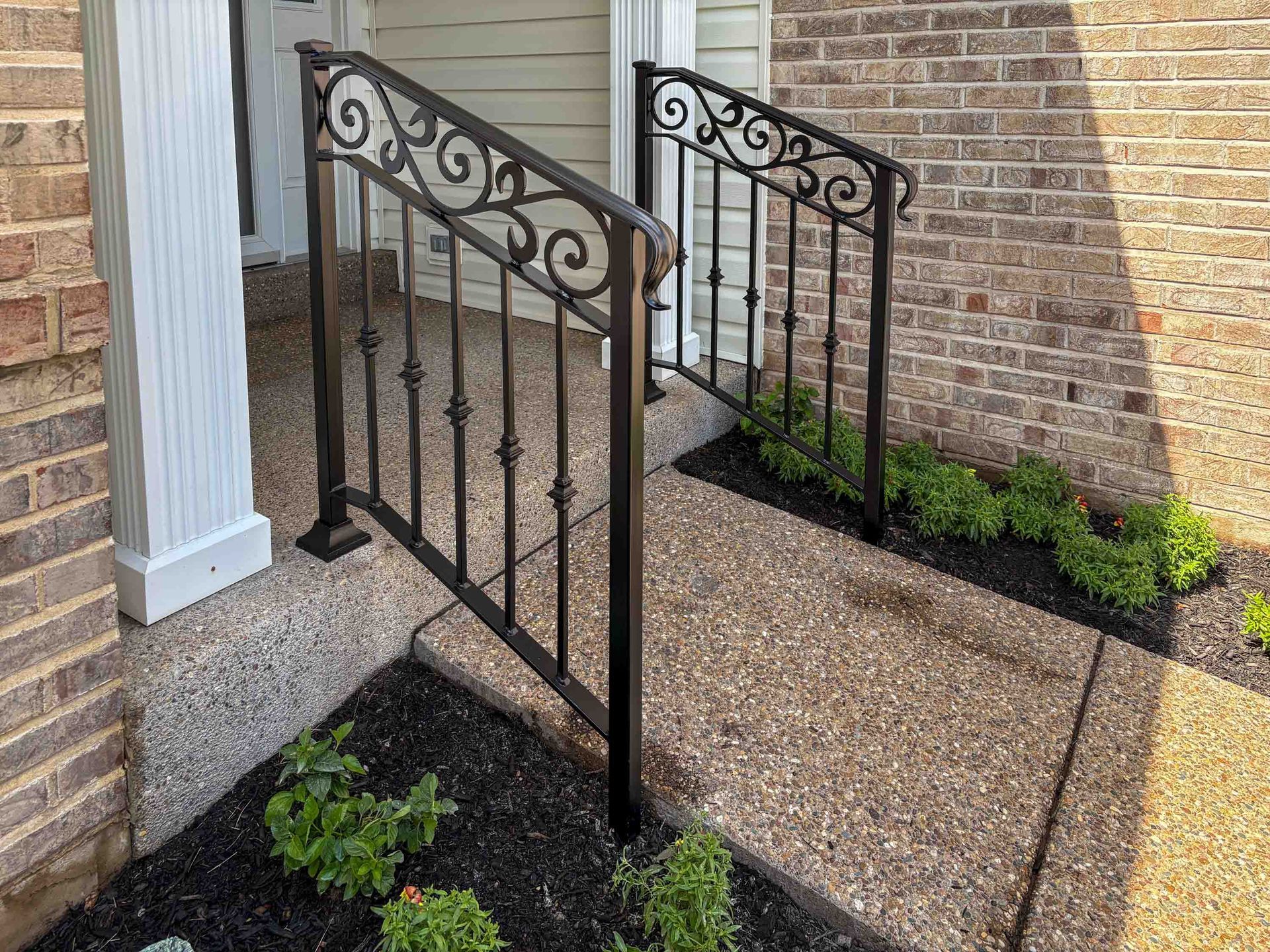
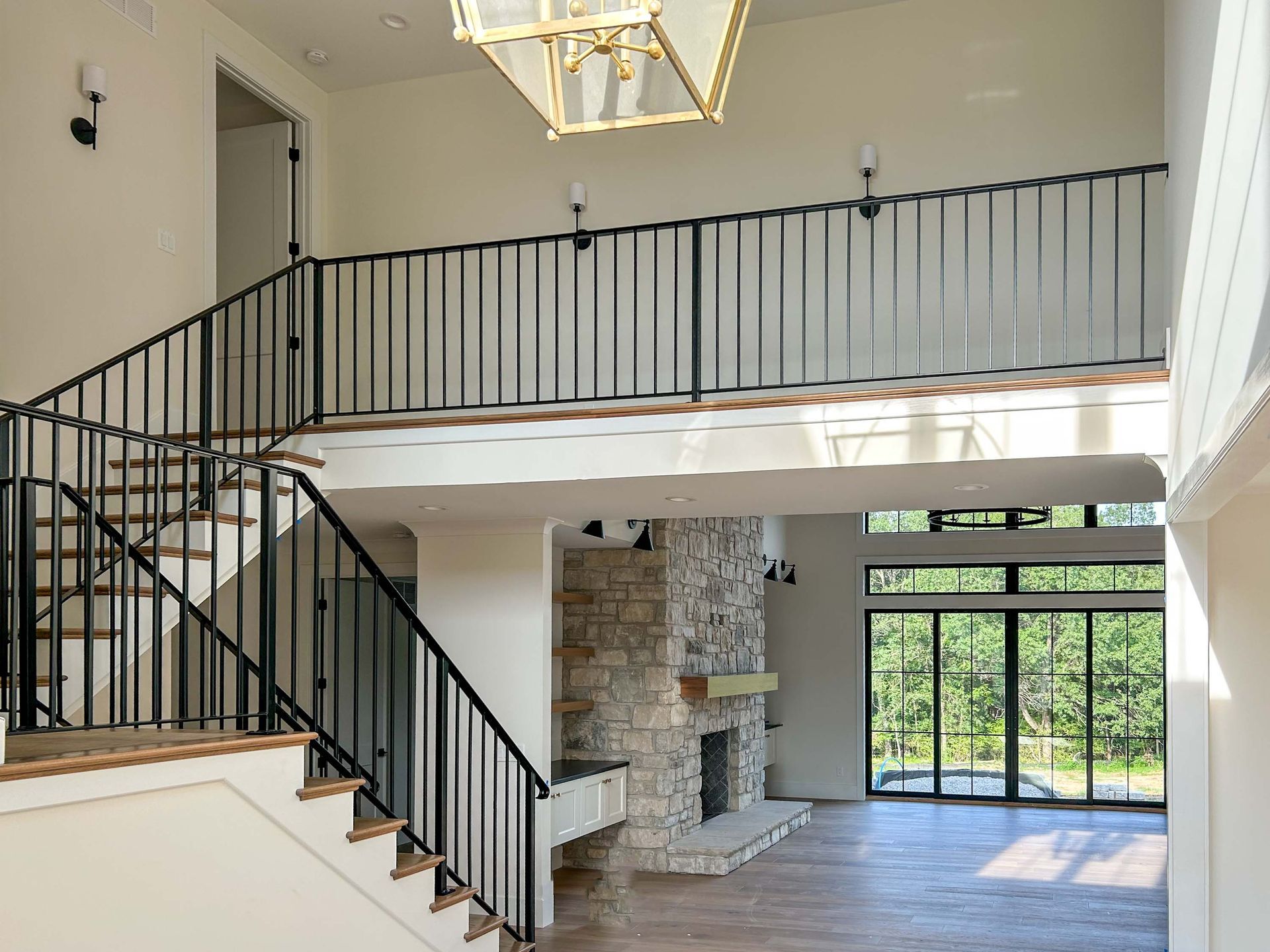
For architectural pieces like railings or staircases, design is just as important as fabrication.
Decisions made here affect:
- Structural integrity
- Visual appearance
- Long-term durability
This is also where experienced fabricators help catch issues that are not obvious on paper.
Step 3: Material Selection and Preparation
Not all metal projects use the same materials.
The right choice depends on:
- Indoor vs outdoor use
- Load requirements
- Environmental exposure
- Desired finish
For example, outdoor projects may require corrosion-resistant materials or protective coatings, while interior projects may prioritize design and finish.
Getting material selection right up front helps avoid premature wear and unnecessary maintenance.
Step 4: Fabrication
This is where the project takes shape.
During fabrication, materials are:
- Cut
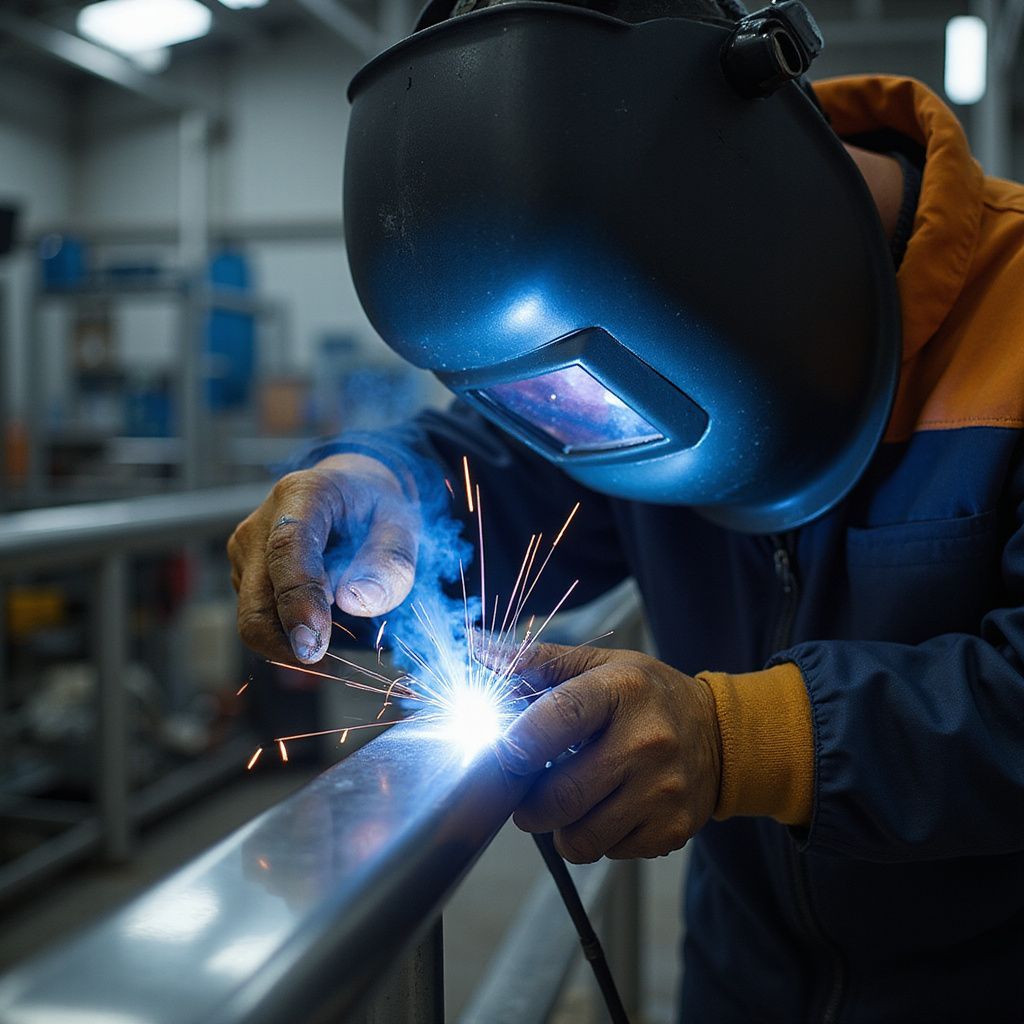
- Welded
- Formed
- Finished
Precision matters at every stage.
Small inconsistencies in fit or weld quality can affect:
- Structural strength
- Appearance
- Ease of installation
A high-quality fabrication process focuses on:
- Clean welds
- Accurate measurements
- Consistent finishing
These details are what separate a project that simply "works" from one that looks and performs the way it should.
Step 5: Installation and Final Adjustments
Installation is where everything comes together.
Even well-built components require proper on-site placement to ensure:
- Secure anchoring
- Proper alignment
- Safe use
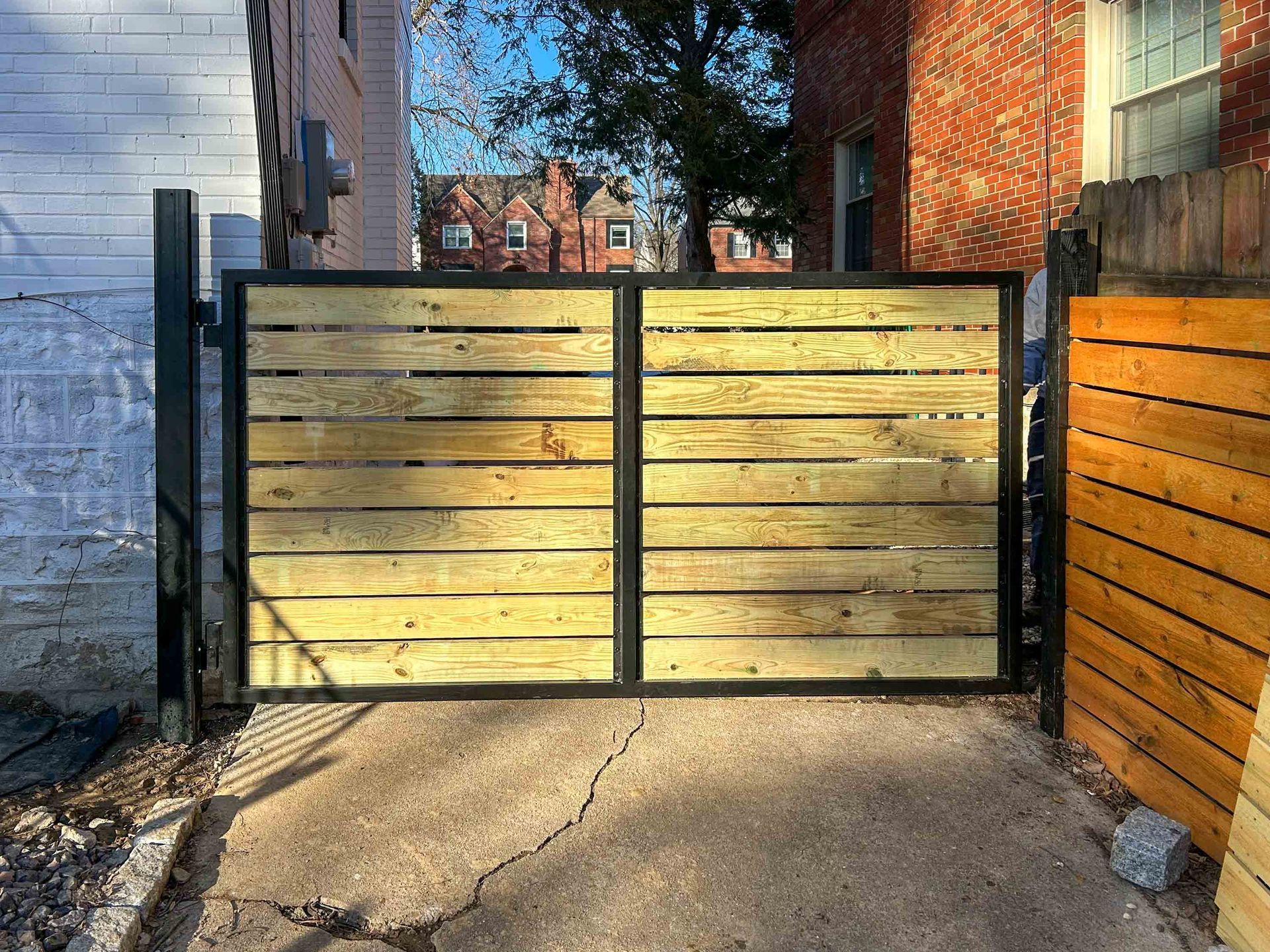
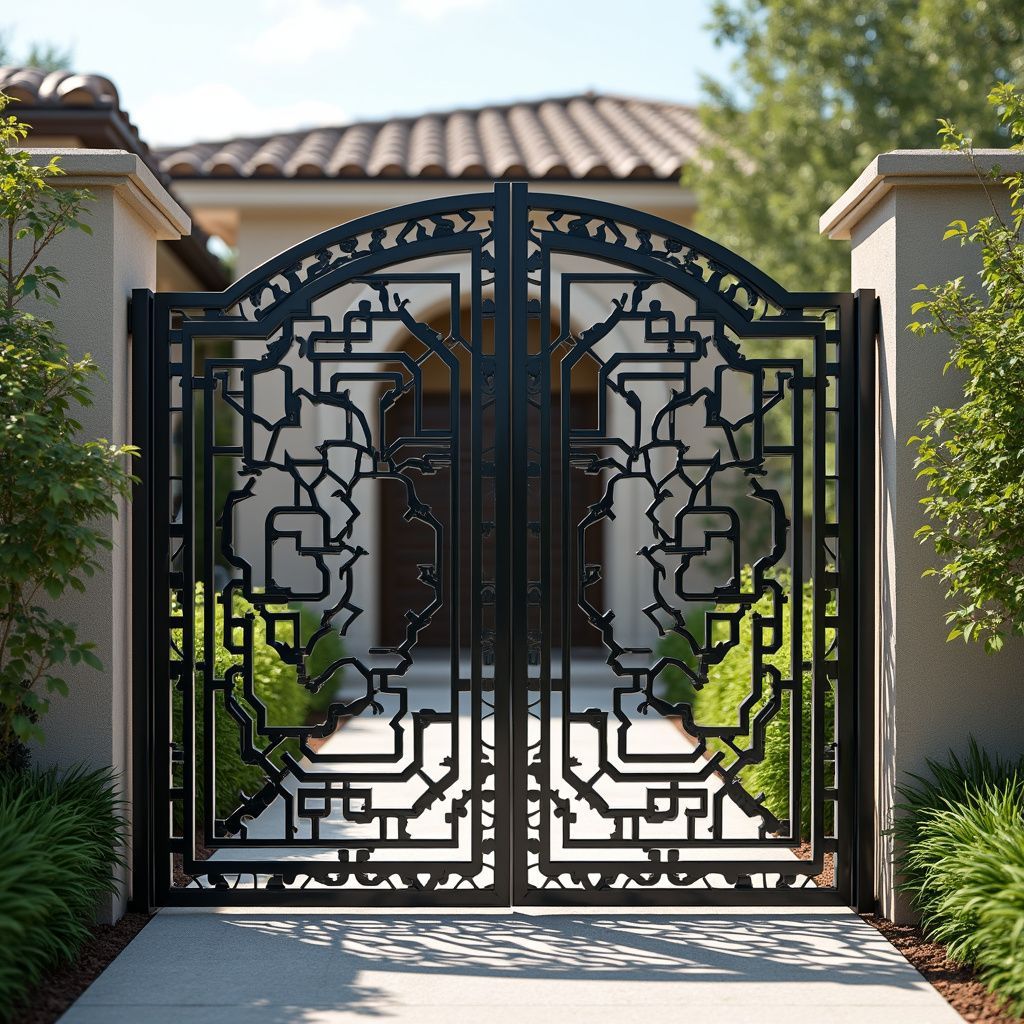
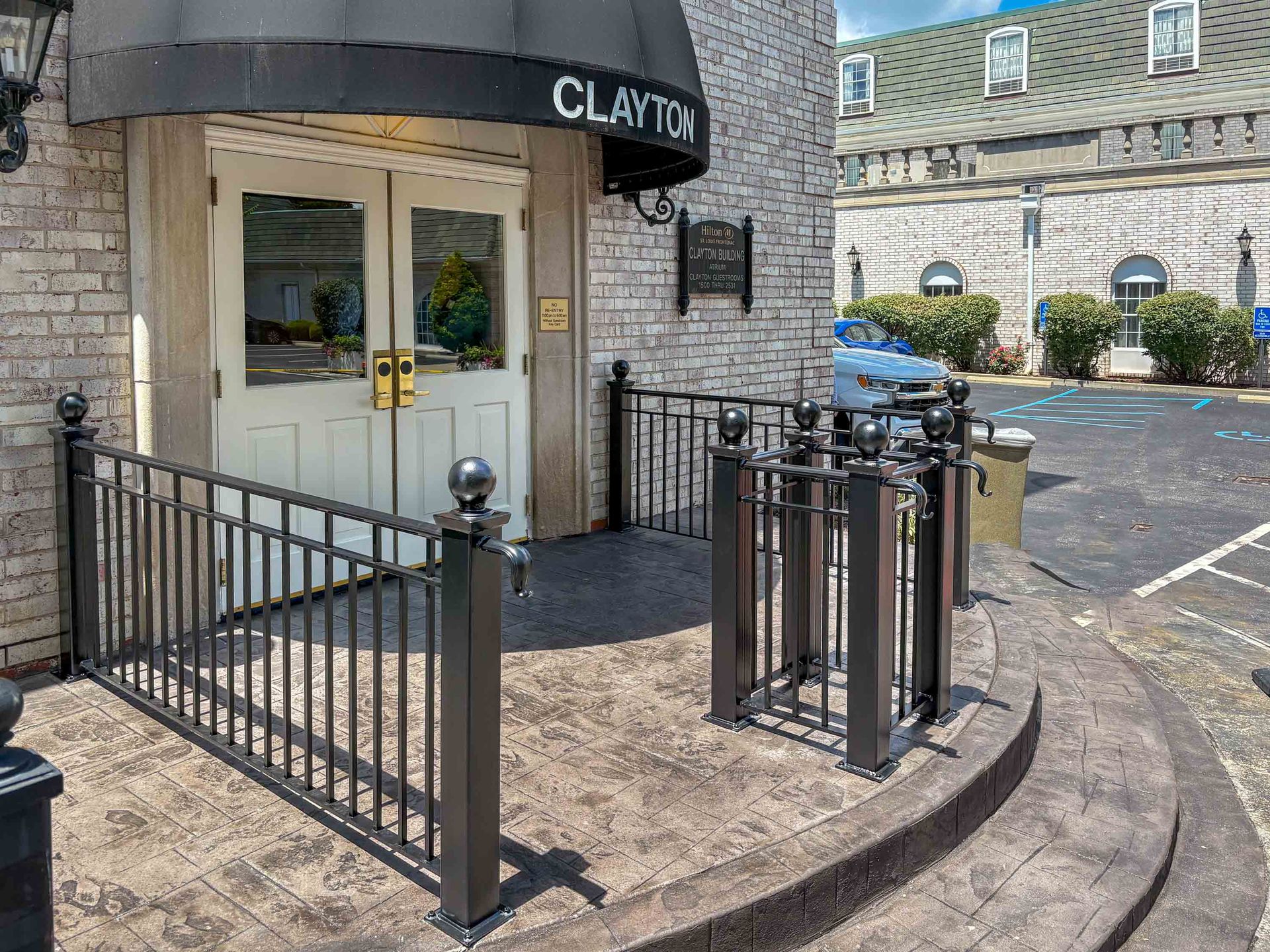
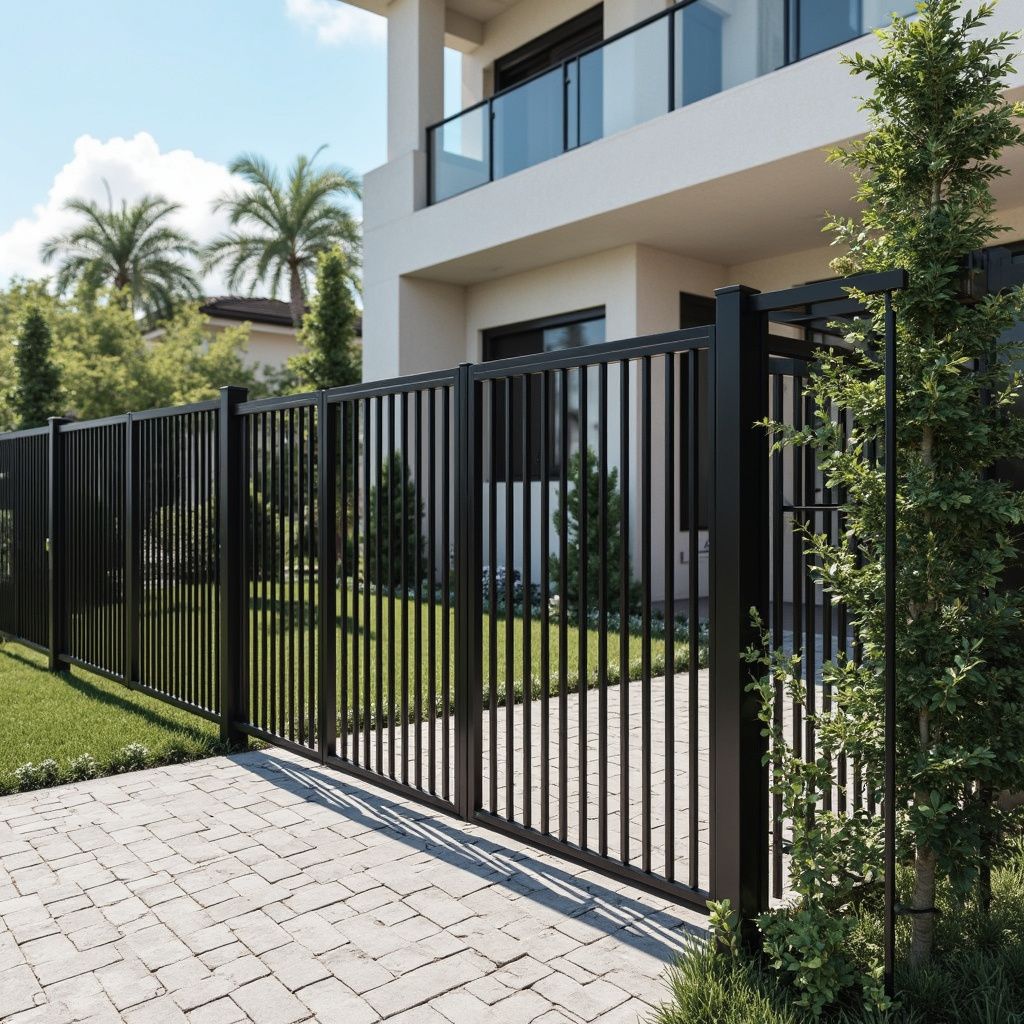
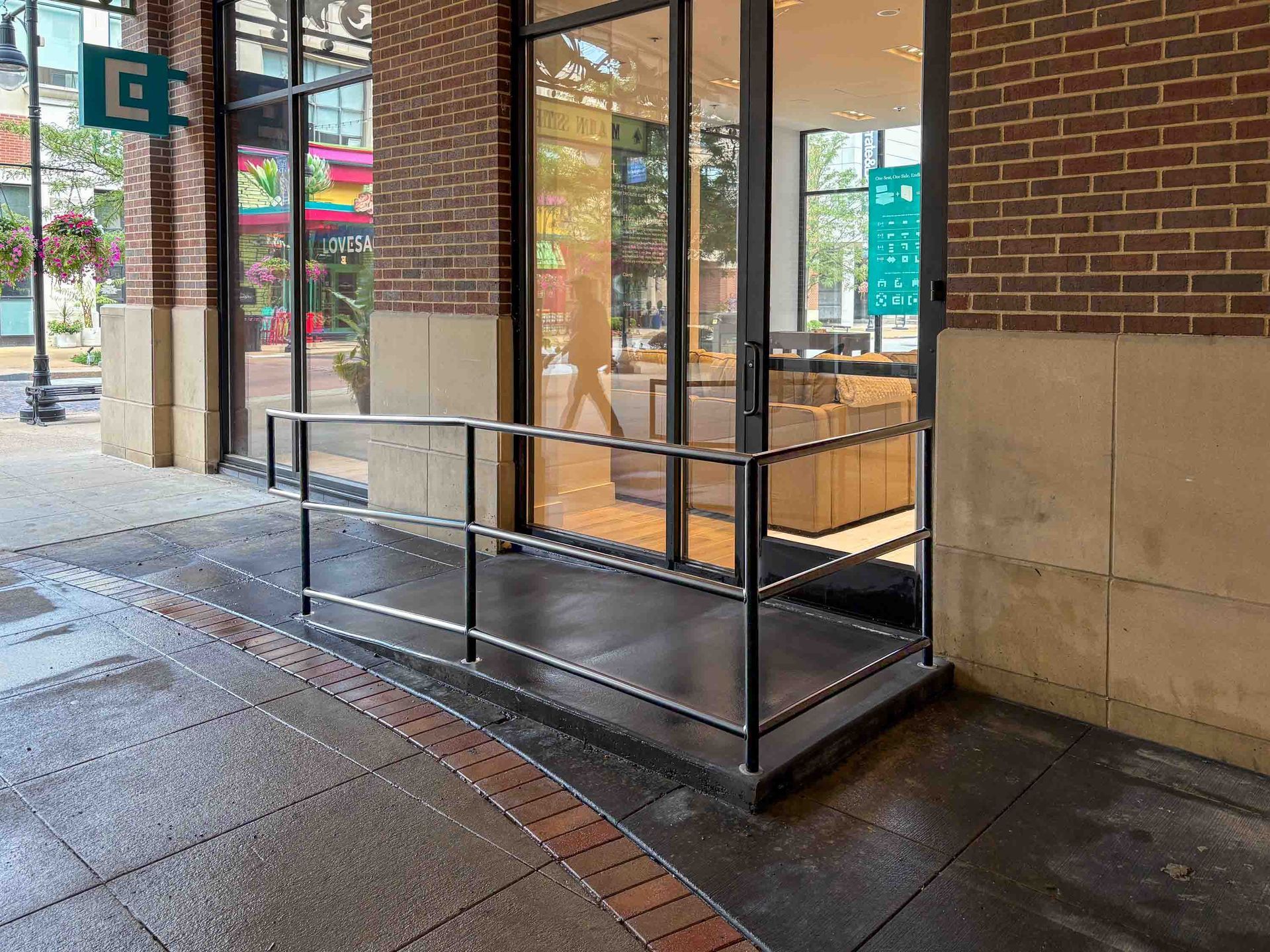
For projects like railings, stairs, or gates, installation is just as important as fabrication.
A streamlined process where the same team handles both fabrication and installation often leads to:
- Fewer delays
- Better fit
- Stronger final results
Where Projects Often Go Off Track
Most problems in fabrication projects do not happen during production.
They happen earlier.
Common issues include:
- Incomplete measurements
- Unclear design decisions
- Last-minute changes
- Miscommunication between parties
These issues can lead to:
- Rework
- Scheduling delays
- Increased costs
That is why clear communication and planning matter as much as the build itself.
How to Set Your Project Up for Success
If you want your fabrication project to go smoothly, focus on a few key areas:
- Be clear about how the finished product will be used
- Share accurate measurements or allow for a site visit
- Ask questions about materials and finishes
- Work with a team that communicates consistently throughout the process
When expectations are aligned early, the entire project becomes more efficient.
What a Well-Run Fabrication Project Looks Like
When everything is done right, the process should feel straightforward.
You should see:
- Clear communication from start to finish
- Realistic timelines and expectations
- Attention to detail in both build and finish
A well-executed project is not just about the end result.
It is about how smoothly everything comes together along the way.

Go Custom with RC Custom Fabrication
A custom fabrication project is successful long before the first weld is made.
It starts with planning, communication, and making the right decisions early.
When you understand what to expect and work with a team that values precision and consistency, the process becomes simpler, more predictable, and far more effective.
If you are planning a custom metal project and want clarity on design, materials, or installation, the team at RC Custom Fabrication is here to help.
We focus on clear communication, detailed planning, and high-quality craftsmanship so your project is built right the first time with no surprises along the way.
Contact us today to discuss your project, ask questions, or request a quote.